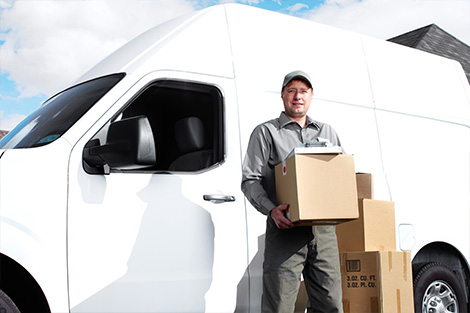
Fridge and Appliance Removal: Safe, Sustainable, and Cost-Effective Options
Removing large household appliances like refrigerators, freezers, washers, and dryers is more than a simple trip to the curb. Proper fridge and appliance removal protects your home, preserves the environment, and often saves money and effort in the long run. This article explains the practical steps, legal considerations, safety best practices, and environmentally responsible disposal and recycling options for appliances of all sizes. Whether you are upgrading, moving, or clearing out a property, understanding the options will help you make informed choices.
Why Proper Appliance Removal Matters
Discarding an appliance improperly can create hazards and liabilities. Refrigerators, for example, contain refrigerants and oils that are harmful if released into the atmosphere. Appliances can also present physical risks during transport and handling. In addition to safety concerns, many localities have specific regulations for disposal and recycling of appliances. Choosing the right removal method reduces environmental impact and ensures compliance with local laws.
The environmental stakes
Refrigerants can deplete the ozone layer and contribute to global warming if not recovered properly. Electronics and metal components often contain valuable materials that are reusable when recovered and recycled, reducing the need for virgin resources. Proper removal and recycling of appliances contributes to circular economy efforts and reduces landfill volume.
Common Removal Options
There are several avenues to consider when disposing of an old fridge or other large appliance. Each option has trade-offs in convenience, cost, and environmental impact. Evaluate these choices based on your priorities and local availability.
- Professional removal services – Paid technicians will pick up and transport appliances, often including disconnection, safe handling, and transfer to recycling centers or disposal facilities.
- Municipal bulk pickup – Some cities and towns offer curbside collection days for large items. This can be free or low cost but may have scheduling limitations and restrictions on the appliance condition.
- Manufacturer take-back programs – Certain brands and retailers offer trade-in or take-back services when you buy a replacement appliance.
- Donation or resale – If the appliance still works, donating to a nonprofit or selling it can extend its useful life and help someone in need.
- Scrap and recycling centers – Drop-off recycling centers accept appliances for material recovery. Some centers require proof of refrigeration removal or certification of refrigerant evacuation.
Choosing the best option
Decide based on appliance condition, urgency, and environmental concerns. For example, if a fridge is in working condition, donation or resale has high social value and low environmental impact. For older, broken units that contain hazardous substances, professional removal with refrigerant recovery is the most responsible choice.
Preparing an Appliance for Removal
Preparation reduces risk and speeds up the removal process. Follow these steps to get appliances ready for safe transport.
- Disconnect utilities: Ensure the appliance is unplugged and the water supply is turned off if applicable.
- Defrost and dry: For refrigerators and freezers, defrost several hours ahead of pickup and dry interior surfaces to limit mold and moisture damage.
- Secure loose parts: Remove drawers, shelves, and loose components and pack them separately if necessary.
- Clear pathways: Make sure hallways, doorways, and stairwells are unobstructed to avoid damage during removal.
- Label and document: Take photos and note serial numbers if you need proof of disposal for local regulations or for tax-deductible donations.
Special handling for refrigerators
Because refrigerators contain refrigerants, they require extra care. Never puncture the sealed refrigeration system. If the professional service does not handle refrigerant recovery, take the unit to a certified facility. Many jurisdictions require that a licensed technician remove refrigerants before any salvage or recycling occurs.
Safety and Legal Considerations
Safety should be the top priority when moving heavy appliances. Improper lifting or unsecured transport can cause serious injury or property damage.
- Use the right equipment: Moving straps, appliance dollies, and protective blankets reduce the risk of injury and preserve floors and walls.
- Work with partners: Large appliances should never be moved alone; enlist helpers or hire professionals.
- Follow local disposal laws: Many regions have strict rules about refrigerant and electronic waste. Fines may apply for illegal dumping.
- Hazardous materials: Identify any potentially hazardous components and confirm they will be handled by certified personnel.
Costs and Pricing Factors
Removal costs vary widely depending on the option you choose. Understanding typical pricing components helps you estimate expenses and spot reasonable quotes.
- Pickup or hauling fee – Charged by private removal services or scrap yards.
- Handling and labor – Includes disconnection, carrying, and loading.
- Recycling or disposal fees – Facilities may charge to accept appliances, especially if hazardous components must be processed.
- Distance and accessibility – Long transport distances or tight access to the appliance location can increase labor and time charges.
- Inclusion of additional services – Such as installation of a new unit or removal of multiple items, which may lower per-item costs.
Ways to reduce expense
To lower costs, coordinate removals with a new appliance delivery, explore municipal pickup days, or donate working appliances to charities that will collect them at no charge. Recycling centers sometimes offer small credits for scrap metal, offsetting fees.
Eco-Friendly Disposal and Donation Options
Environmental responsibility is at the heart of modern appliance removal. Prioritizing recycling and donation reduces waste and recovers valuable materials.
- Recycling centers: Accept appliances for metal and component recovery; ensure proper refrigerant handling for fridges.
- Charitable donation: Many charities accept working appliances and provide pickup—this extends the useful life of the item and benefits the community.
- Manufacturer programs: Trade-in or take-back services may offer discounts on new purchases.
Choosing a Professional Service
When hiring a removal company, look for clear pricing, proof of proper disposal methods, and appropriate licensing for refrigerant handling and hazardous material transport. Ask about insurance coverage and read customer reviews to confirm reliability. A reputable provider will explain the recycling or disposal pathway for your appliance and provide documentation if needed.
Checklist for vetting a service
- Written quote and scope of work
- Proof of licensure or certification for refrigerant recovery
- Evidence of partnerships with recycling centers
- Insurance and liability coverage details
- Transparent disposal or recycling policy
Final Thoughts
Removing a fridge or other major appliance is an important task that blends safety, environmental stewardship, and practicality. By planning ahead, preparing appliances correctly, and choosing responsible disposal or recycling channels, you minimize risk and maximize value recovered. Whether you opt for a professional service, municipal pickup, donation, or recycling center drop-off, prioritize legal compliance and eco-friendly practices. Proper appliance removal preserves both your property and the planet, and with the right approach it can be straightforward and cost-effective.
Key takeaway: Treat appliance removal as a planned logistical and environmental decision—prepare carefully, select a responsible removal path, and document the process for peace of mind.